
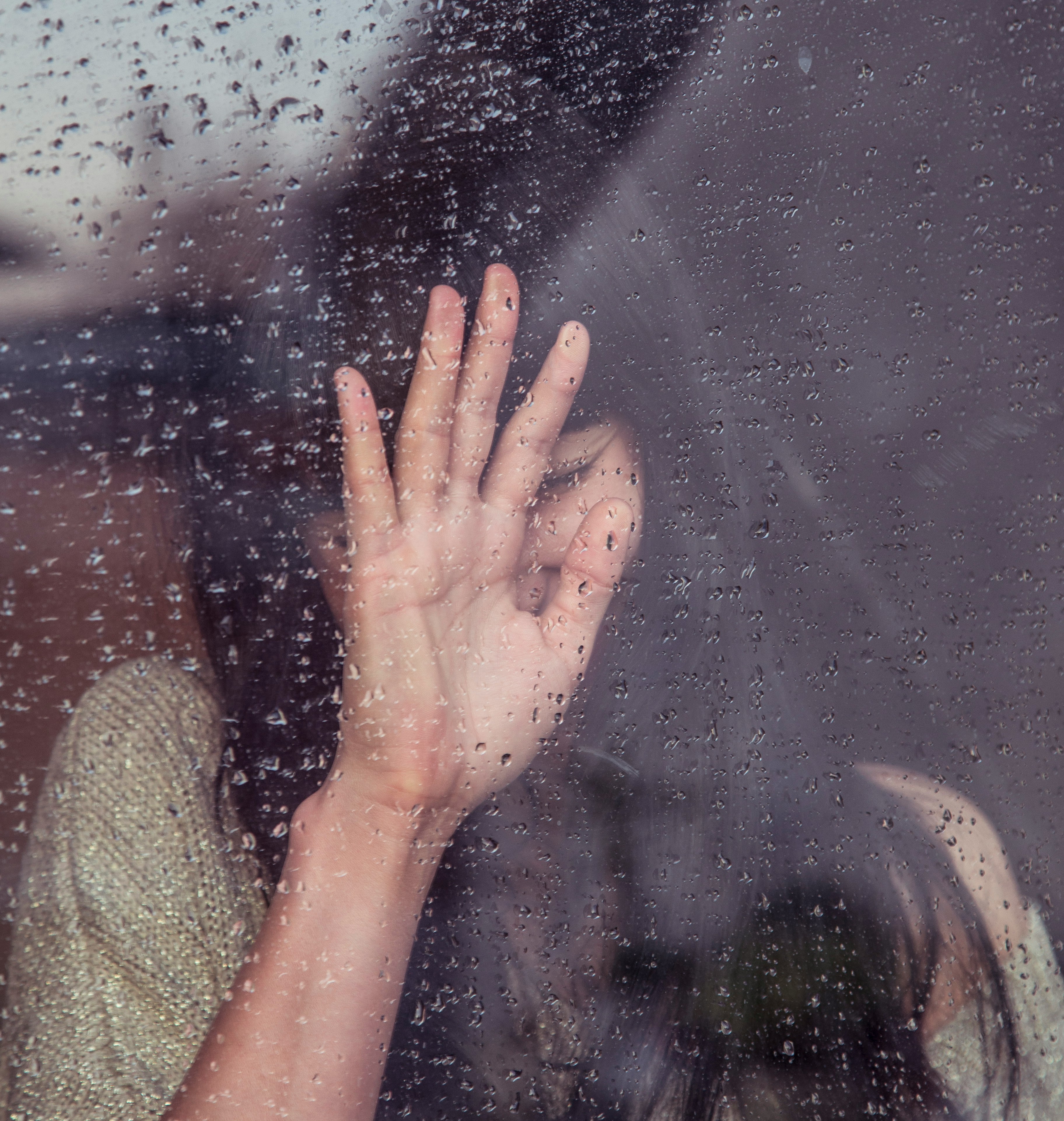
Some silences hold more truth than words ever could.
It’s So Sad
Is it?
I am no expert on loss. Having dealt with my share of grief — like most people — I think my opinion is worth expressing.
I heard somoene recount an episode about a stranger dying. When she finished with, “It’s so sad,” her mouth downturned and her head dipped, i mentally replied, Is it?
Was I cross? Yes.
Her words landed on my private grief with a hollowness that only grief survivors recognise.
I’ve seen death.
Lived its aftermath — the kind that rocks people to their foundations.
My grief felt like soul scarring. I was obliterated in his final moments. The woman I was with him … ceased to exist. Tiny craters covered my heart and mind — I was no longer a woman with a partner, a lover. Gone were the experiences, the intimacies, the laughter, the romance, the conversations we’d had. The only other witness to the woman I had been was … gone.
And it took a long time to heal — not because I feel more deeply than others, but because I grieved the loss of the man who knew me better than I did. And, again, every time my youngest learned what it meant to live without his dad.
I cannot speak for my son, but I survived that road through pain. I am thriving.
Today, I’m calling out the hollow sounds people make around death, around grief.
Please know that the most honest thing you can say to another whose grief is inconsolable, or too deep for you to hold in the moment, is:
“I don’t know what to say.”
Someone uttered those words to me.
Once.
They felt real.
No performance, no obligation — they were heartfelt.
They landed as words from someone trying to make sense of the pain I was in, while gently holding the ache around me.
Their bravery, their honesty, was the first time I felt heard in my sorrow — and the beginning of sensing that maybe I wasn’t as alone as I felt.
These days, I don’t judge people for their lack of understanding, because I didn’t have any either until I went through my own version of grief.
But what I do judge is that visceral need to feel another’s pain and dress it up as empathy — to perform the dance without understanding its heartbeat. It lands as fake.
It feels intrusive.
Many who have experienced grief will not thank you for it. Not when it snags them on the inside, making them pull away from you. Socially performed grief does not create connection. Or apply salve to inconsolable loss.
So, if you are brave enough, admit you don’t have the words.
Sit in the silence. Feel your discomfort.
Find their ache inside your soul.
Weep if you feel their tears.
And know your silence embraces their pain and speaks louder than any words.It’s So Sad
Is it?
I am no expert on loss. Having dealt with my share of grief — like most people — I think my opinion is worth expressing.
A friend recounted an episode about a recent encounter in a hospital. She finished with, “It’s so sad,” her mouth downturned and her head dipped.
Was I cross? Yes.
Her words landed on my private grief with a hollowness that only grief survivors recognise.
I’ve seen death.
Lived its aftermath — the kind that rocks people to their foundations.
My grief felt like soul scarring. I was obliterated in his final moments. The woman I was with him … ceased to exist. Tiny craters covered my heart and mind — I was no longer a woman with a partner, a lover. Gone were the experiences, the intimacies, the laughter, the romance, the conversations we’d had. The only other witness to the woman I had been was … gone.
And it took a long time to heal — not because I feel more deeply than others, but because I grieved the loss of the man who knew me better than I did. And, again, every time my youngest learned what it meant to live without his dad.
I cannot speak for my son, but I survived that road through pain. I am thriving.
Today, I’m calling out the hollow sounds people make around death, around grief.
Please know that the most honest thing you can say to another whose grief is inconsolable, or too deep for you to hold in the moment, is:
“I don’t know what to say.”
Someone uttered those words to me.
Once.
They felt real.
No performance, no obligation — they were heartfelt.
They landed as words from someone trying to make sense of the pain I was in, while gently holding the ache around me.
Their bravery, their honesty, was the first time I felt heard in my sorrow — and the beginning of sensing that maybe I wasn’t as alone as I felt.
These days, I don’t judge people for their lack of understanding, because I didn’t have any either until I went through my own version of grief.
But what I do judge is that visceral need to feel another’s pain and dress it up as empathy — to perform the dance without understanding its heartbeat. It lands as fake.
It feels intrusive.
Many who have experienced grief will not thank you for it. Not when it snags them on the inside, making them pull away from you. Socially performed grief does not create connection. Or apply salve to inconsolable loss.
So, if you are brave enough, admit you don’t have the words.
Sit in the silence. Feel your discomfort.
Find their ache inside your soul.
Weep if you feel their tears.
And know your silence embraces their pain and speaks louder than any words.


