
Libraries have evolved into community hubs, but at what cost to those who need silence.
I have become one of those grumpy old women I used to watch on BBC television. I saw several of those half hour episodes where dewy-eyed interviewers muffled their laughter at people of Joanna Lumley’s vintage who shared their distaste for the way the world had become. They grumped about the lack of manners in younger folk, the way people spoke when serving customers, the dynamic changes in language that left older generations bewildered by simple phrases such as ‘a hot second’ or when the word ‘like’ prefaces every second word.
I never thought I would see the day when I would proclaim “I remember when” …
But it has happened. Today. I have been grumpy about it before but today I must write about it.
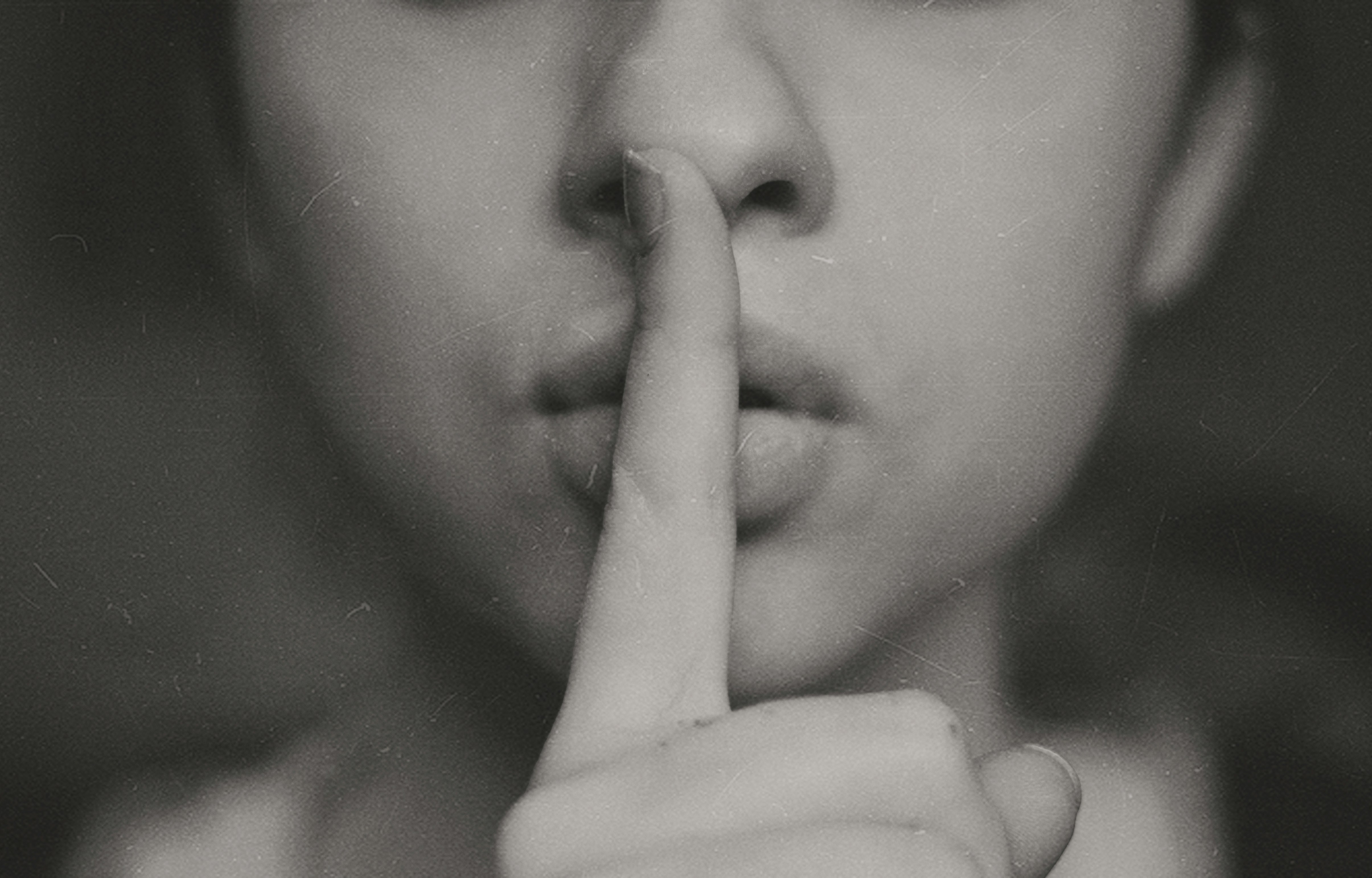
I went to the local library – that haven of silence and solitude I remember as a teen where grey-haired librarians wearing horn rimmed glasses would loudly SHUSH anyone who spoke above a whisper. They glided among the book stacks in stealthy attempts to catch and toss out those who dared to pollute the pristine silence of a library. Sigh. Those women would roll in their graves if they saw how libraries are run in the twenty-first century.
Perhaps I should interview a librarian and ask what the philosophy is around noise levels in a place where students and seniors alike come to enjoy silence and access to a wealth of reading material they would not ordinarily afford.
Gone are the days when I could write in silence. Today, my concentration is perpetually rippled by young parents wrangling energetic offspring or the lively conversations from those in the central seating area. Further away, a young child screams as the mother tries to coax the child from the library. Those nearest me, some studiously tapping away on their laptops, others with their heads bowed over books, look up at each punctuation of the air quality and exchange raised brows or shake their heads.
Libraries serve the community in all its rainbow colours
Yes, I understand libraries serve the community in all its rainbow colours. Yet somewhere in the need for inclusivity, a silent minority is being slowly but persistently excluded. I am all for inclusivity – until it impinges on my needs. Anyone who requires the facilities offered by a library should be permitted access. However, in the race to embrace diversity, those who require quieter environments are being overlooked.
Perhaps the noise pollution could be eased if soundproofed rooms were created for either the toddlers or those requiring silence. Yes, my library has a designated silent study area, but the signs are ignored by chatty or giggling teens as they study, defeating the purpose of the silent study areas.
Designated quiet spaces, quiet times
Many modern libraries in larger cities have started incorporating quiet rooms for this purpose. These rooms are often equipped with soundproofing materials and are reserved for those who need a noiseless environment to read or study. Creating such spaces in libraries would balance the needs of a diverse community while preserving the library’s traditional role as a refuge for activities requiring silence.
Recently, supermarkets in my area have introduced a ‘quiet time’ for those who require a quieter shopping experience. Could the same principle be introduced in the libraries? Perhaps early morning or late evening time slots would provide opportunities for those such as myself for quiet time, without interrupting community-based activities that, by default, generate more noise and occur during peak daylight hours. This way, inclusivity is maintained while the needs of all who use the library are also met.
We have become a society obsessed with noise, filing every moment of the day with sound: conversations, music, audiobooks, piped music, roaring ‘souped up’ engines, just to name a few examples. I am sure readers will think of more instances.
Recently, I started wearing headphones while walking through shopping centres. Ideally, they help me combat the noise of people talking, piped music, and the occasional public announcements. No, I do not have a sound disorder. Nor have I been diagnosed with any health issues that manifest as being particularly sensitive to sound.
But overall, if I am around people, sound has become a melee that is abrasive and jarring. Perhaps the final solution is to resort to visiting places where there are no people. Nature is frequently quiet, interspersed with birds and wildlife noise. To date I have not had to wear headphones while visiting a natural environment.
Is it age?
Have I really become a grumpy old woman or is the noise pandemic affecting others?
As noise pollution increases, silence is becoming a luxury. As our community hubs evolve, inclusivity should meet the needs of all users, including those who require silent havens. Soundproofed rooms or designated silent areas (where silence is enforced, or specific hours are stipulated) can be a fiscally viable option that accommodates everyone. Community is inclusive, embracing every person in that group or village. Libraries should be community spaces that serve all members: those who thrive in noisy environments and those who require silent refuges.
Photo by Kristina Flour on Unsplash

 Christine Writer