

In a recent blog, my words were not received well by a friend.
It is never my intention to hurt my friends. Never. Especially those who have been there for me in times of crisis as she has.
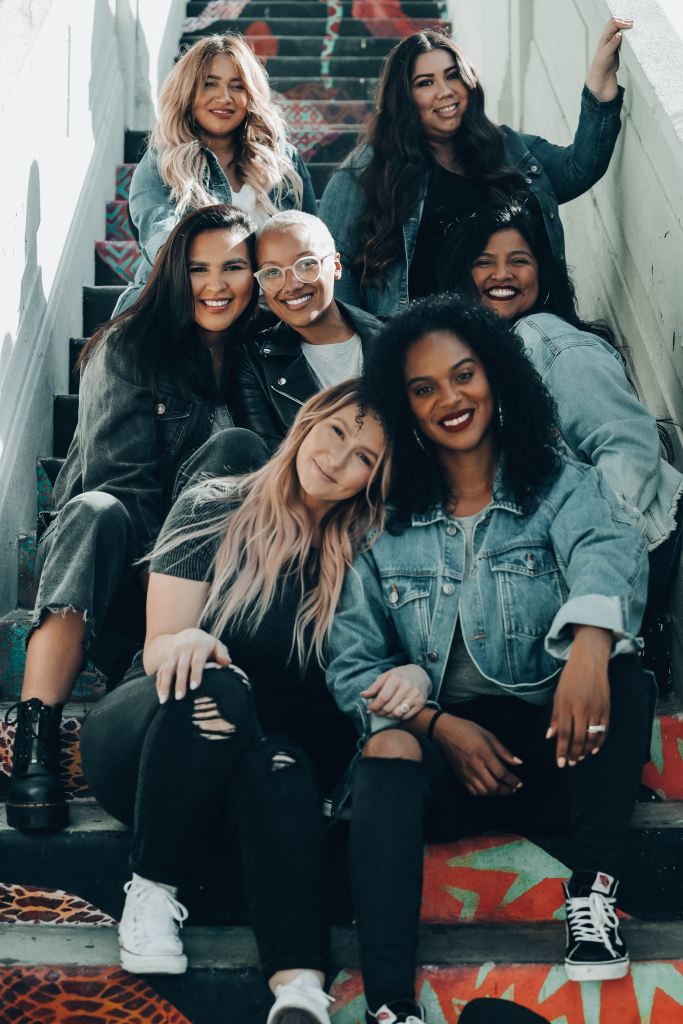
Photo Courtesy of joel-muniz-xTkxZN_DV8o-unsplash
This includes friends who, though well intentioned, imply that my level of intelligence is below par. And yes, there have been one, or two or, three.
I can count on one finger the number of times I deliberately set out to hurt another person’s feelings and that was more than twenty years ago during the heat of the moment with a man who is now an almost forgotten lover …
I have been pondering friendship since my friend let me know my words bothered her. Her reminder that she had only ever tried to help sang of feeling I had dismissed her genuine motivations of caring and assistance. Here, in black and white, I acknowledge her genuine and invaluable assistance. My intentions were never to discount her or her friendship, though I fear that may be how she feels. For that I am sorry.
My takeaway from this situation is that I need to be more vocal, at the time of the conversation, to avoid issues arising on both sides. Perhaps a simple solution is to say, ‘let me get back to you on that’. Or “that’s an interesting point of view’. Perhaps that statement will suffice in acknowledging concerns, or criticisms, or comments while simultaneously allowing me to hold a boundary that gives me time to think about a more considered response.
The value of friendship
I have few friends. I like it that way. I choose people with integrity, respect, and an ability for self – awareness and personal growth that matches my own. This journey has led to a deeper understanding of the notion that we teach people how to treat us. But I still have “L” plates on when it comes to articulating my boundaries. Practise makes perfect, right?
Until now, I thought my only must-have when it comes to friends is that they leave their expectations parked firmly away from me. Any sense of feeling like I am required to meet someone else’s standards is a smoke signal for me to leave Dodge. Curiously, those who remain in my life do not have issues with that exchange in our friendship.
Two friends who are no longer in my life both required me to reach their standards of life and live mine in accordance with their values, their expectations. I also have siblings who believes others should meet their exacting standards.
This makes me wonder who we are to impose our values on someone else? Who are we, really? And what does it say about us when we expect others to live up to our standards?
Setting boundaries
I remember one phone conversation with a friend who knew I was ready for van life but was not sure whether I had left Melbourne. She started off our conversation by rattling off questions, firing another as soon as I answered one. In the midst of this exchange, I took a breath and told her gently about how I hated one particular question: where are you?
This question made me feel like a teenager who was breaking curfew. Like a woman who should not be on the road alone, despite feeling safe to do so. Mostly I felt like there was a subtle energy of control inherent in the question.
After explaining how those questions felt a little controlling, despite knowing that friend intended no such thing, my friend on the phone pivoted and told me that she would change how she communicated now that she understood how much I hated those questions. I was impressed at her insightfulness and willingness to change her communication style though that is not what I was asking for. That exchange deepened my respect for her.
Another friend reacted to a firm boundary with, “You hate being criticised, don’t you? Or told what to do?” Umm, yes. Don’t most people hate criticism? Finally saying what I needed to say taught both friends how to treat me. I guess that, like parenting, people are not born with a handbook on how to be a good friend. So, it would seem that teaching people how to treat me is an ongoing life responsibility.
Towards authenticity
Reflecting on friendships, I have come to understand my friends see me as embodying courage, heart, vulnerability, strength, resilience, and humour. Each of them holds me in that space that says, I trust you to figure out your life and I love hearing your stories. This perception contributes to and strengthens my relationship with life and whatever adversity I find along the way.
Thus my circle of friends is full of women who are strong, authentic, non-judgemental, and willing to change. All of those qualities are traits I admire. In anyone. Seeing myself as my friends (mostly) see me encourages me to acknowledge and use my courage to strike out in the world and dare to live how I think I should rather than as the wider community expects I should.
My friends are a safe place when I feel uncertain and let’s be honest; who in their life, has never felt uncertain? Each of them, with their acceptance of who I am, and the quirkiness I bring to the table of friendship, lift me up and inspire me to use my courage in sharing my life and ideas with the world. With that unflinching support, I feel ready to share heart centred stories about what it means to be human.
Authentic communication
Friends challenge us to see ourselves for who we really are. Their observations chart our personal growth and our effectiveness in the world. What people say may not always be true but hearing what they think creates a choice: accept those ideas of how others see us or teach them how to treat us so we are seen for who we really are.
Many people avoid being seen for who they really are and spend a lifetime avoiding it. But my need to be heard when I share my deepest self, to be seen for who I really am, is a powerful drive within me. For decades, I feared misunderstanding. Not so much now because I prefer authentic, heart driven and respectful communication. This is me now. Writing from the heart.
Though my journey is uniquely mine, the quest for authentic communication and understanding in relationships is not mine alone. I think most people find that navigating the delicate balance of authenticity while nurturing relationships with others is tricky. Ask yourself: are you challenged with aligning your authentic self with the world around you?”
Communication boundaries
For years I believed everyone should already know how to communicate with respect, right? Wrong. And that has been one of my biggest learning curves since living on the road. So has understanding that respectful communication from those closest to me creates meaningful conversation; the benchmark I look for, and need, with friendship.
Placing boundaries around communication is something I find exhausting. I need thinking time before I articulate my boundary. Until then, it stays in my mind like an unfinished task. At times, my friends have been invaluable in facilitating this aspect of my personal development.
What do friends mean to you?
Reflecting on friendship and what it means reminds me that boundary setting is a lifetime experience. So too is nurturing and maintaining connections with those we choose to call friends. In choosing friends who support and challenge me and hold a space for us both to grow and learn, I continue my journey of evolution with life affirming companions.
I am deeply grateful for them. My friends, with their unstinting support, understanding, and the challenges they present me with, enrich my life considerably. They are not just companions on my journey; my friends continue to help shape the person I am and the woman I am becoming.
Consider your friendships:
Have you ever hurt a friend unintentionally?
Do you know your boundaries?
How have your friends helped you see yourself for who you really are?

 Christine Writer